TL;DR
- 131 kcal · 4.2 g protein per serving
- Ready in 50 min · serves 6
- Gluten-free, Dairy-free, High fibre
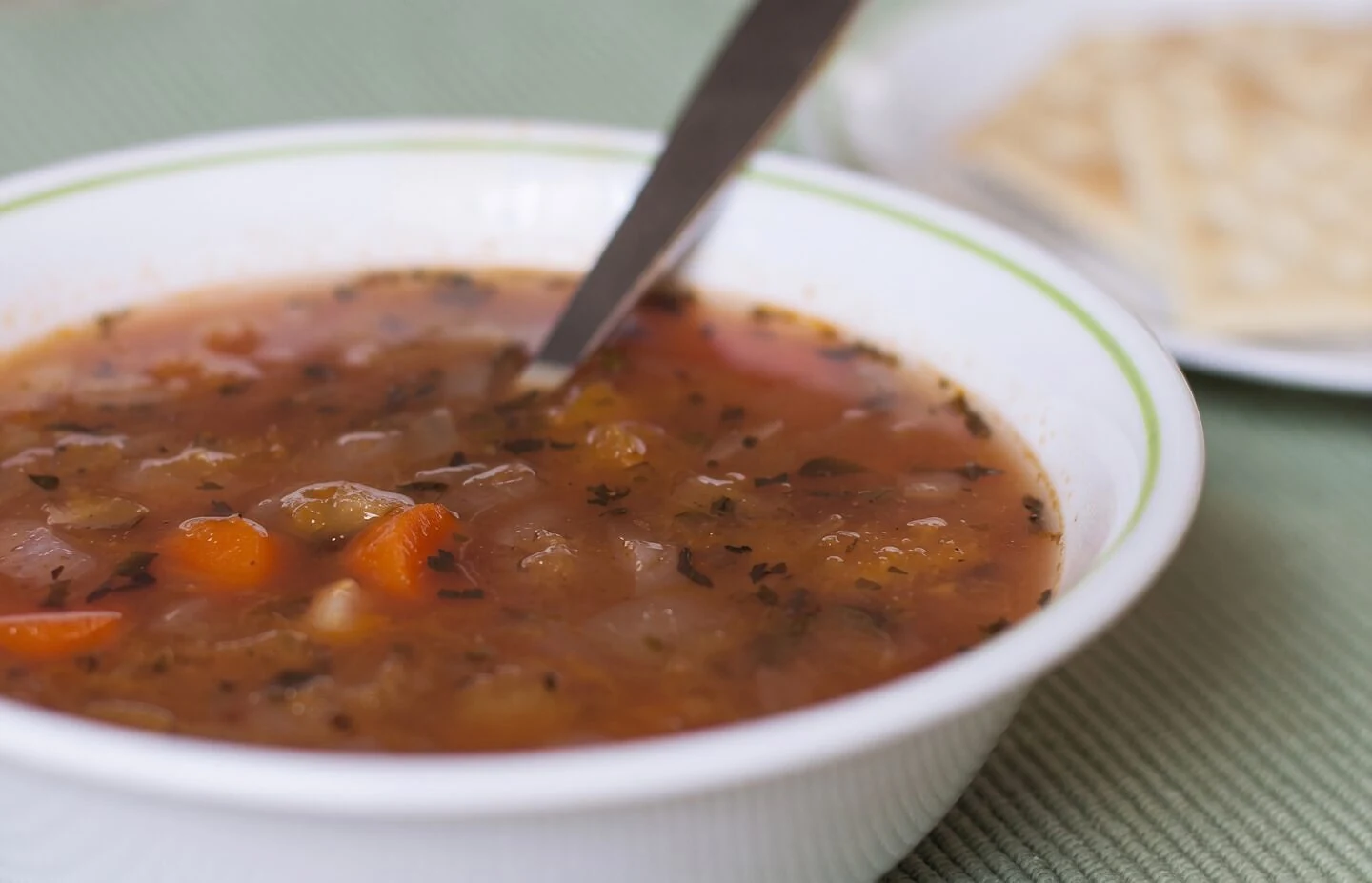
Squash soup is a home-style American classic that turns the humble winter squash harvest into a deeply comforting, brothy meal. This version is built on a straightforward foundation: a modest amount of olive oil, aromatic onions, carrots, and garlic are softened together, then joined by a cup of no-salt-added tomato sauce, a generous pour of low-sodium broth, and four cups of already-cooked winter squash. Dried oregano and basil round out the flavor profile with a gentle, herbaceous warmth that complements the natural sweetness of the squash without masking it.
What makes this particular recipe so well-suited to a calorie-tracking kitchen is its honest, vegetable-forward structure. The soup leans on broth and cooked squash for its body rather than cream, butter, or a roux, which keeps the base light while still delivering a satisfying, spoon-coating texture. The inclusion of onions, carrots, and garlic adds volume and fiber for relatively few calories, while the tomato sauce contributes a subtle acidity and depth that balances the squash's inherent sweetness. The herbs, used in generous dried amounts, provide a layer of flavor that makes the dish feel complete without relying on added fat or salt. Because the recipe uses low-sodium broth and no-salt-added tomato sauce, it leaves the seasoning firmly in the cook's hands, making it an excellent canvas for those who prefer to control their sodium intake precisely.
For the home cook preparing this soup, a few practical notes make the process smoother. First, the recipe calls for cooked squash, which is a deliberate time-saver; roasting or steaming a squash ahead of time — or using leftover roasted halves from another meal — means the soup comes together in about 40 minutes from start to finish. If using a dense variety like butternut, ensure the squash is fully tender before adding it, as undercooked chunks will not break down sufficiently during the 30-minute simmer. Second, the covered simmer is worth respecting: keeping the pot covered traps steam and allows the flavors of the dried herbs to bloom and meld into the broth, while also preventing the soup from reducing too quickly and becoming overly thick. Finally, this soup stores exceptionally well. It will keep for up to four days in the refrigerator, and the flavors often deepen overnight, making it a strong candidate for batch cooking and weekday lunches.
Ingredients — For 6 servings
- 1 tablespoon olive oil (or cooking oil of choice) 14 g
- 2 medium onions, chopped 220 g
- 2 medium carrots, chopped 122 g
- 2 piece garlic cloves, minced 6 g
- 1 cup no salt added canned tomato sauce 284 g
- 5 cups low-sodium chicken or vegetable broth 1183 g
- 4 cups winter squash, cooked 946 g
- 1 1/2 tablespoons dried oregano 6 g
- 1 1/2 tablespoons dried basil 6 g
Nutrition per serving
131 kcal
| Protein | 4.2 g |
|---|---|
| Carbohydrates | 24.4 g |
| of which sugars | 8.4 g |
| Fat | 3.6 g |
| of which saturates | 0.6 g |
| Fiber | 7.7 g |
| Sodium | 976 mg |
Nutrition computed from USDA FoodData Central per-ingredient data (curated reference table, engine/systems/recipe/data/ingredient_nutrition_db.json). 1 of 9 ingredients use a model-estimated figure pending live FDC verification (flagged in the source table).
Instructions
-
Wash your hands with soap and water before you begin, and rinse any fresh produce you'll be using.
-
In a large saucepan, heat oil over medium heat.
-
Stir in onions, carrots, and garlic.
-
Cook for about 5 minutes, covered.
~5 min -
Stir in the tomato sauce, chicken broth, cooked squash, and herbs.
-
Bring soup to a simmer and cook, covered, for 30 minutes.
~30 min
Track Squash Soup in Kaloria
No manual logging — point your camera at the plate and Kaloria's AI recognizes the dish and logs it with the nutrition panel above in one tap. Voice logging and a food-savvy AI coach are built in too.
Get Kaloria freeFrequently asked questions
Can I use a different type of winter squash, or does it need to be a specific variety?
Yes, any winter squash works well here. Acorn, butternut, pumpkin, crookneck, or a unique farmers market variety all bring their own subtle sweetness and texture. Just make sure the squash is fully cooked and tender before adding it to the pot, since the 30-minute simmer is not long enough to soften raw chunks.
The recipe calls for cooked squash. What is the best way to prepare it?
Roasting is the easiest and most flavorful method. Halve the squash, scoop out the seeds, and roast cut-side down at 400°F until fork-tender, about 40 to 50 minutes depending on size. Alternatively, steaming or boiling peeled chunks works fine. Leftover roasted squash from another meal is an excellent shortcut here.
Can I make this soup ahead of time or freeze it?
Absolutely. The soup keeps well in the refrigerator for up to four days, and its flavor often improves overnight as the herbs meld. It also freezes beautifully for up to three months. Thaw overnight in the fridge and reheat gently on the stovetop, adding a splash of broth or water if it has thickened.
The recipe uses low-sodium broth. Can I use regular broth instead?
You can, but the soup will be noticeably saltier. Since the tomato sauce is no-salt-added, the broth is the main source of sodium here. If you only have regular broth, consider holding off on adding any salt until the end, then taste and adjust. A squeeze of lemon at serving can also brighten the flavors.
What can I serve with this soup to make it a more complete meal?
A slice of whole-grain toast or a simple green salad with a light vinaigrette pairs well and keeps the meal balanced. For extra protein without dairy, a handful of cooked chickpeas or shredded rotisserie chicken stirred in during the last few minutes of simmering works nicely and stays within the recipe's base.
Sources
- USDA MyPlate Kitchen — Recipe adapted from USDA MyPlate Kitchen.
- USDA FoodData Central — Nutrition panel computed from USDA FoodData Central per-ingredient data via a curated reference table.