TL;DR
- 191 kcal · 21.4 g protein per serving
- Ready in 25 min · serves 4
- Gluten-free, High protein
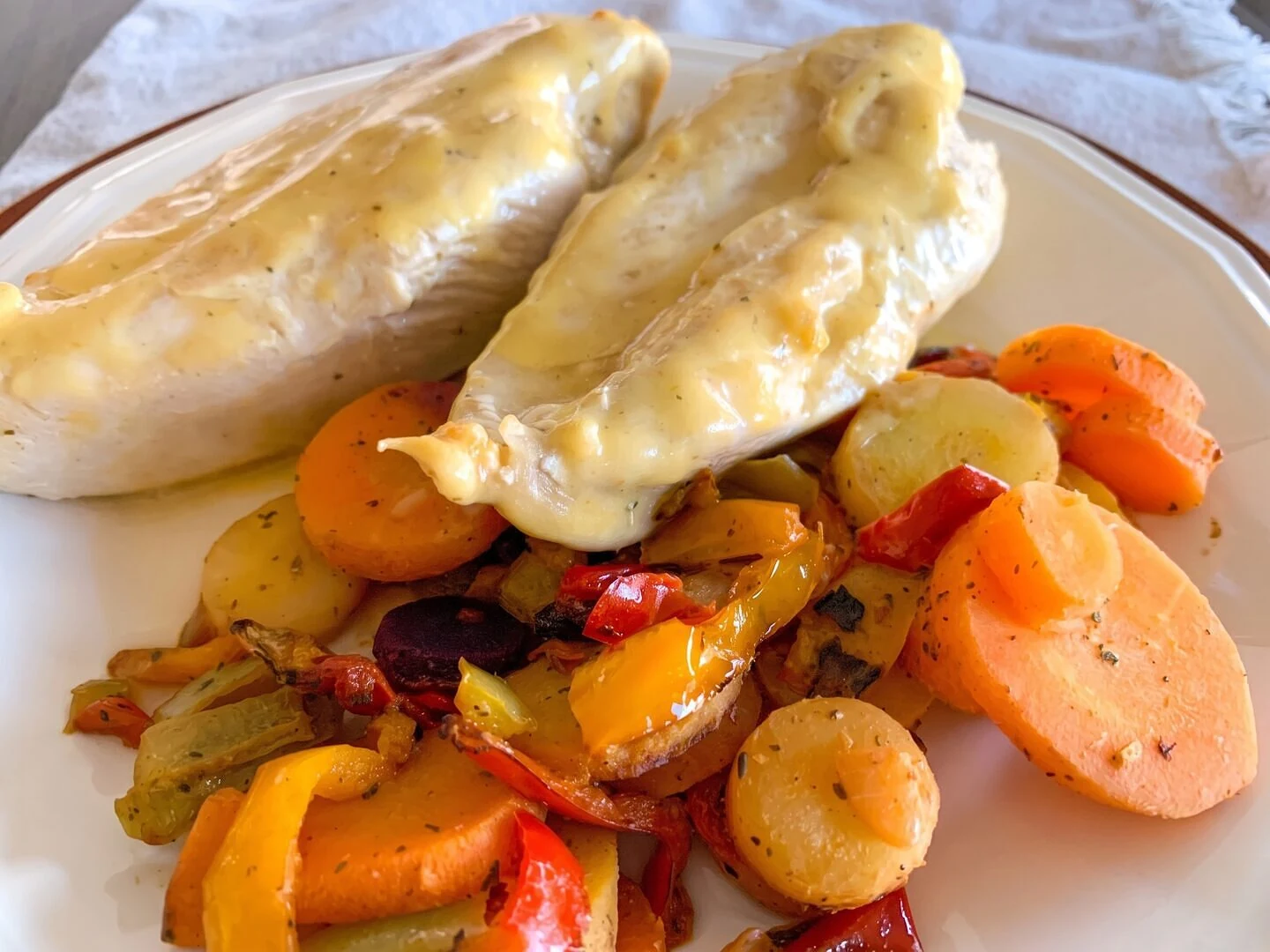
Some dinners don't need a dozen ingredients or a sink full of prep bowls to be genuinely satisfying, and 2-Step Chicken is a prime example of that home-style American pragmatism. This is the kind of dish that has quietly anchored weeknight tables for generations: tender, boneless, skinless chicken breasts simmered in a silky, savory sauce built from just two pantry staples — reduced-sodium cream of chicken soup and water. The result is a comforting, saucy main that pairs beautifully with a simple salad, steamed rice, or a generous pile of roasted mixed vegetables, turning a modest protein into a full, colorful plate.
What makes this recipe particularly well-suited to a calorie-tracking kitchen is its restraint. The chicken breasts provide a lean, high-quality protein base that helps keep meals satisfying without relying on heavy fats or breading. The reduced-sodium soup is a deliberate choice here; it keeps the sauce flavorful while giving the cook control over salt at the table, and the water stretches the soup into a light, coating sauce rather than a thick, calorie-dense gravy. There are no added sugars, no flour-based roux, and no extra oils beyond the single tablespoon needed to get a good sear on the meat. Portioning is also refreshingly straightforward — two pieces of chicken make a clear, countable serving structure, which is a small but meaningful convenience when you're tracking what goes on the plate. The dish is naturally gluten-free and high in protein, fitting neatly into a balanced meal plan without demanding special ingredients or complicated substitutions.
A few practical notes will help this simple recipe perform at its best. The initial sear over medium-high heat is not just about browning; it builds a flavorful fond on the skillet that will enrich the sauce once the soup and water are stirred in. Don't rush this step, and resist the urge to crowd the pan — cooking the chicken in a single layer ensures even browning. The final simmer at low heat is equally important: it allows the chicken to finish cooking gently, reaching that safe internal temperature of 165 degrees F without turning tough or dry. If you have leftovers, the chicken keeps well in the fridge for a couple of days and reheats nicely, though the sauce may thicken slightly — a splash of water or broth when reheating brings it back to its silky consistency. For a quick variation, a handful of frozen peas or a sprinkle of black pepper stirred in during the last few minutes of simmering adds color and a touch of brightness without complicating the ingredient list.
Ingredients — For 4 servings
- 1 tablespoon vegetable oil (or cooking oil of choice) 14 g
- 2 piece boneless, skinless chicken breasts 348 g
- 1 can (10.75 ounces) reduced-sodium cream of chicken soup 305 g
- 1/2 cup water 118 g
Nutrition per serving
191 kcal
| Protein | 21.4 g |
|---|---|
| Carbohydrates | 5.5 g |
| of which sugars | 0.4 g |
| Fat | 9.5 g |
| of which saturates | 2.1 g |
| Fiber | 0.0 g |
| Sodium | 593 mg |
Nutrition computed from USDA FoodData Central per-ingredient data (curated reference table, engine/systems/recipe/data/ingredient_nutrition_db.json).
Instructions
-
Wash your hands with soap and water before you begin, and rinse any fresh produce you'll be using.
-
Heat oil in a skillet at a medium-high setting.
-
Add chicken and cook for ten minutes.
~10 min -
Remove chicken from pan and set aside.
-
Stir the soup and water together in the skillet and heat it to a boil.
-
Return the chicken to the skillet.
-
Reduce the heat to low and simmer for an additional 10 minutes, or until the chicken reaches an internal temperature of 165 degrees F.
~10 min
Track 2-Step Chicken in Kaloria
No manual logging — point your camera at the plate and Kaloria's AI recognizes the dish and logs it with the nutrition panel above in one tap. Voice logging and a food-savvy AI coach are built in too.
Get Kaloria freeFrequently asked questions
Can I use chicken thighs instead of breasts?
Yes, boneless, skinless thighs work well here. They have a bit more fat and flavor, and they are more forgiving if cooked slightly longer. Just make sure they reach the same safe internal temperature of 165 degrees F before serving, and adjust the simmer time as needed since thighs can take a few extra minutes.
What can I serve with this to keep the meal balanced?
The saucy chicken pairs well with steamed rice, quinoa, or egg noodles to soak up the sauce. For a lighter option, a crisp green salad or roasted mixed vegetables — like broccoli, carrots, or zucchini — add fiber and color without weighing things down. A side of green beans also works nicely.
Why does the recipe call for reduced-sodium soup?
Regular cream of chicken soup can be quite salty on its own. Using the reduced-sodium version gives the sauce a savory base while leaving the salt level in your control. You can always add a pinch of salt or a dash of pepper at the table if you prefer a stronger flavor, without overdoing the sodium.
Can I make this ahead or store leftovers?
Yes, cooked chicken and sauce keep well in an airtight container in the refrigerator for up to three days. When reheating, add a small splash of water or low-sodium broth to loosen the sauce, and warm gently on the stovetop or in the microwave until piping hot. It is not ideal for freezing because the sauce can separate.
What is the best way to tell when the chicken is done?
Use an instant-read thermometer inserted into the thickest part of the breast. It should read 165 degrees F. The step that calls for simmering for ten minutes after returning the chicken to the skillet is designed to get it there gently, so trust the thermometer rather than cutting into the meat to check.
Sources
- USDA MyPlate Kitchen — Recipe adapted from USDA MyPlate Kitchen.
- USDA FoodData Central — Nutrition panel computed from USDA FoodData Central per-ingredient data via a curated reference table.