TL;DR
- 200 kcal · 8.1 g protein per serving
- Ready in 13 min · serves 4
- Vegetarian
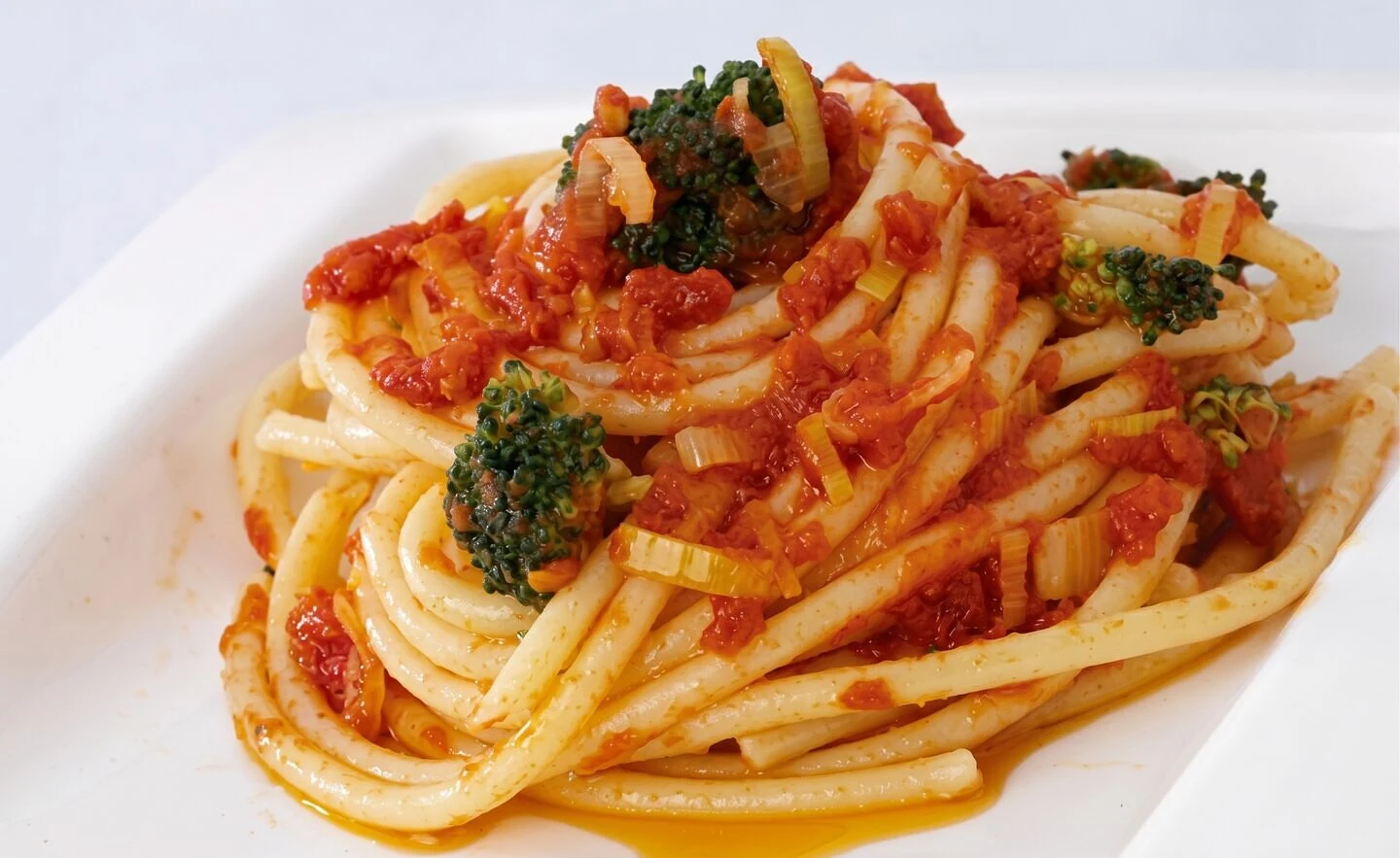
This is a weeknight-friendly pasta dish that leans on the pantry as much as the produce drawer, pairing humble spaghetti with broccoli and a quick, tomato-based sauce. The result is a home-style Italian-American meal that feels comforting but stays light on its feet — the kind of plate that comes together in about the time it takes to boil water, yet still manages to taste like something you deliberately planned. The broccoli is stir-fried just long enough to keep a little bite, the stewed tomatoes break down into a rustic, savory sauce with the help of thyme and oregano, and a final shower of Parmesan ties it all together without weighing anything down.
For someone tracking calories, this recipe is a smart fit because it builds flavor from vegetables and aromatics rather than from heavy cream, butter, or large amounts of cheese or oil. The only cheese is a modest sprinkle of Parmesan at the end — a finishing touch that adds a salty, savory pop without turning the dish into a calorie-dense casserole. The broccoli brings fiber and volume, so a serving feels satisfying even though the pasta portion stays reasonable. The stewed tomatoes contribute moisture and a gentle acidity that means you don't need a rich sauce or extra fat to keep the noodles from feeling dry. The seasonings are simple and dry-goods friendly, which makes this an easy recipe to keep on hand for nights when fresh ingredients are limited but you still want something home-cooked.
A couple of practical notes will help this come out right. First, the recipe specifically asks you to cook the noodles without oil or salt — this isn't just a health measure; it also keeps the pasta from becoming slick, so the vegetable sauce clings better to each strand. Second, the stir-fry step is short on purpose: three minutes over medium heat is enough to soften the broccoli and onion while leaving the broccoli with a pleasant crunch. If you cook it much longer, the broccoli can turn mushy and the whole dish loses its texture. For a make-ahead option, the vegetable mixture keeps well in the fridge for a couple of days; just reheat gently and spoon it over freshly cooked pasta rather than reheating the noodles with the sauce, which can turn them gummy. If you'd like to swap the spaghetti, linguine or fettuccine both work beautifully here, as the sauce is loose enough to coat wider noodles without pooling.
Ingredients — For 4 servings
- 6 ounces spaghetti noodles (uncooked) 170 g
- 3 tablespoons onion (chopped) 30 g
- 2 cups broccoli (chopped) 166 g
- 1/2 teaspoon thyme (dried) 1 g
- 1/2 teaspoon oregano (dried) 1 g
- 1/2 teaspoon black pepper 1 g
- 1 can low-sodium stewed tomatoes (14.5 ounce) 425 g
- 2/3 tablespoon Parmesan cheese (grated) 4 g
Nutrition per serving
200 kcal
| Protein | 8.1 g |
|---|---|
| Carbohydrates | 40.0 g |
| of which sugars | 5.0 g |
| Fat | 1.3 g |
| of which saturates | 0.4 g |
| Fiber | 4.1 g |
| Sodium | 40 mg |
Nutrition computed from USDA FoodData Central per-ingredient data (curated reference table, engine/systems/recipe/data/ingredient_nutrition_db.json).
Instructions
-
Wash your hands with soap and water before you begin, and rinse any fresh produce you'll be using.
-
Cook noodles according to package instructions (do not include oil or salt), and drain.
-
Spray a medium skillet with non-stick cooking spray; stir-fry onion and broccoli for 3 minutes over medium heat.
~3 min -
Add seasonings (but not the Parmesan cheese) and tomatoes; simmer until heated through.
-
Spoon vegetable mixture over noodles and top with Parmesan cheese.
Track Italian Broccoli and Pasta in Kaloria
No manual logging — point your camera at the plate and Kaloria's AI recognizes the dish and logs it with the nutrition panel above in one tap. Voice logging and a food-savvy AI coach are built in too.
Get Kaloria freeFrequently asked questions
Can I use fresh tomatoes instead of canned stewed tomatoes?
Yes, though the flavor and texture will shift slightly. Use about two medium ripe tomatoes, chopped, and add them with the seasonings. Simmer a few minutes longer so they release their juices and soften. You may want a splash of water or broth if the mixture looks dry, since canned tomatoes carry more liquid.
Why does the recipe say to cook the noodles without oil or salt?
Skipping the oil keeps the pasta surface less slick, which helps the vegetable and tomato mixture cling to the noodles rather than sliding off. Leaving out salt in the pasta water is a flavor choice here — the stewed tomatoes and Parmesan already bring plenty of savory saltiness to the finished dish.
What's the best way to reheat leftovers?
Store the vegetable mixture and cooked noodles separately in the fridge. When you're ready to eat, reheat the vegetable mixture in a skillet over medium heat, adding a tablespoon of water if it has thickened. Cook fresh pasta or reheat the noodles briefly in boiling water, then spoon the sauce over the top.
Can I add a protein to make this a more complete meal?
Absolutely. Grilled chicken, sautéed shrimp, or white beans all work well without changing the character of the dish. If you add beans, stir them in with the tomatoes so they warm through and pick up the seasonings. Keep the Parmesan as the final topping, and adjust portions to fit your calorie goals.
Is there a gluten-free pasta option that works here?
Yes — any gluten-free spaghetti or linguine will work, though cooking times vary by brand, so check the package. Since the sauce is vegetable-based and not heavy, it coats gluten-free noodles well. Just be careful not to overcook them; gluten-free pasta can turn mushy quickly if left in the water too long.
Sources
- USDA MyPlate Kitchen — Recipe adapted from USDA MyPlate Kitchen.
- USDA FoodData Central — Nutrition panel computed from USDA FoodData Central per-ingredient data via a curated reference table.