TL;DR
- 291 kcal · 22.1 g protein per serving
- Ready in 28 min · serves 4
- Gluten-free, Dairy-free, High protein
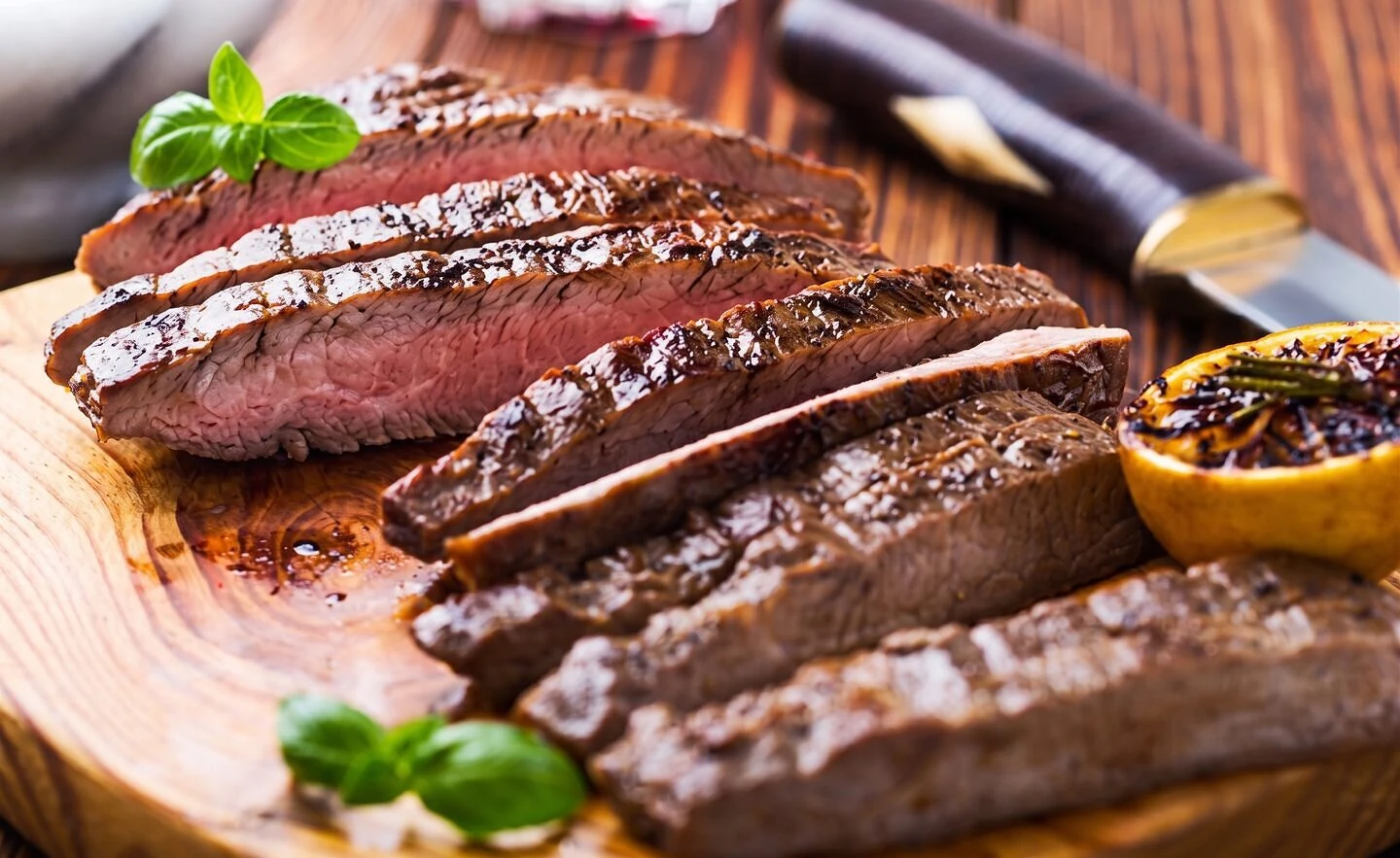
Herb Broiled Beef is a straightforward, no-fuss dinner that leans on a long marinade to turn an economical cut of chuck into something genuinely special. The dish belongs to a long American tradition of broiled steaks and chops, where high, direct heat from above does the work of creating a deeply browned crust while the interior stays tender and juicy. It is the kind of meal that feels both practical and a little celebratory — a proper steak dinner that does not require a grill or a special occasion.
The recipe's backbone is a bright, savory marinade built from pantry staples: chopped onion, fresh parsley, white vinegar, prepared mustard, garlic powder, and a dried herb such as basil or thyme. The vinegar and mustard bring acidity and a gentle tang that helps tenderize the beef, while the onion, garlic, and herbs layer in aromatic depth. Because the steak marinates for six to eight hours or overnight, those flavors have time to penetrate well beyond the surface, so every slice carries the seasoning through to the center. The result is a dish that tastes far more complex than its short ingredient list suggests.
For anyone tracking calories, this recipe is a strong fit. The protein comes entirely from the beef itself — no breading, no heavy sauce, no cheese — and the marinade adds negligible calories while contributing plenty of flavor. A single pound of chuck shoulder steak, cut about an inch thick, portions neatly into a few servings, which makes it easy to pair with a measured side of roasted vegetables or a simple salad. The cooking method also helps: broiling allows excess fat to render and drip away onto the pan below, rather than cooking the meat in its own drippings. The marinade is poured off and discarded before cooking, so none of the oil or sugar that might be in a bottled dressing ends up on the plate.
A few practical notes will help this dish come out right. Because the marinade is discarded, it is worth making sure the beef is well coated when it goes into the bag — turn the bag at least once during the marinating time so both sides get equal exposure. When broiling, keep an eye on the meat; broilers vary widely in intensity, and a one-inch steak can go from perfectly done to overdone quickly. If the steak is browning too fast on the outside before the center reaches the desired doneness, move the rack a notch lower. After broiling, let the meat rest for a few minutes before slicing thinly against the grain — this keeps the juices in the slices rather than on the cutting board. Leftovers, if any, slice well for sandwiches or a protein-packed lunch salad the next day.
Ingredients — For 4 servings
- 1/4 cup onion, chopped 40 g
- 2 tablespoons parsley 7 g
- 2 tablespoons white vinegar 30 g
- 3 teaspoons prepared mustard 16 g
- 1/4 teaspoon garlic powder 1 g
- 1/4 teaspoon basil, dried (or thyme) 1 g
- 1 pound boneless beef chuck shoulder steak, cut 1-inch thick 454 g
Nutrition per serving
291 kcal
| Protein | 22.1 g |
|---|---|
| Carbohydrates | 1.4 g |
| of which sugars | 0.5 g |
| Fat | 21.2 g |
| of which saturates | 8.5 g |
| Fiber | 0.4 g |
| Sodium | 116 mg |
Nutrition computed from USDA FoodData Central per-ingredient data (curated reference table, engine/systems/recipe/data/ingredient_nutrition_db.json).
Instructions
-
Wash your hands with soap and water before you begin, and rinse any fresh produce you'll be using.
-
Mix onion, parsley, vinegar, mustard, garlic powder, and basil or thyme.
-
Place meat in plastic bag and pour in marinade.
-
Close bag securely, place in a bowl and marinate in refrigerator six to eight hours or overnight, turning at least once.
-
Pour off marinade and discard.
-
Place meat on rack in broiler.
-
Broil 15 to 20 minutes or until desired doneness, turning once.
~18 min -
Cut into thin slices to serve.
Track Herb Broiled Beef in Kaloria
No manual logging — point your camera at the plate and Kaloria's AI recognizes the dish and logs it with the nutrition panel above in one tap. Voice logging and a food-savvy AI coach are built in too.
Get Kaloria freeFrequently asked questions
Can I use a different cut of beef for this recipe?
Yes. Chuck shoulder steak is ideal because its moderate marbling stays moist through a long marinade and quick broil. Sirloin or flank steak also work well; just keep the thickness around one inch so the cooking time stays similar. Very lean cuts like round may turn out drier, so watch them closely.
Why does the recipe say to discard the marinade instead of basting with it?
The marinade has been in contact with raw beef, so reusing it without boiling would risk foodborne illness. Since the marinade's job is to flavor the meat before cooking, discarding it is both safer and simpler. If you want extra flavor after broiling, drizzle a little fresh vinegar and mustard over the sliced beef instead.
How do I know when the beef is done broiling?
A one-inch steak typically takes 15 to 20 minutes total, turning once. For accurate results, use an instant-read thermometer: 135°F for medium-rare, 145°F for medium. Remember the meat's temperature rises a few degrees while it rests, so pull it slightly before your target.
Can I prepare this marinade ahead of time or freeze it with the beef?
You can mix the marinade a day ahead and keep it refrigerated in a sealed container. For longer storage, place the beef and marinade together in a freezer-safe bag, squeeze out the air, and freeze for up to three months. Thaw in the refrigerator overnight, then continue with the recipe as written.
What sides go well with herb broiled beef for a balanced meal?
Since the beef is rich and savory, pair it with lighter, vegetable-forward sides. Roasted broccoli, green beans, or a crisp green salad with a simple vinaigrette all complement the herb and mustard flavors. A small portion of roasted potatoes or whole grains can round out the plate if you want more staying power.
Sources
- USDA MyPlate Kitchen — Recipe adapted from USDA MyPlate Kitchen.
- USDA FoodData Central — Nutrition panel computed from USDA FoodData Central per-ingredient data via a curated reference table.