TL;DR
- 408 kcal · 39.2 g protein per serving
- Ready in 13 min · serves 4
- Dairy-free, High protein, High fibre
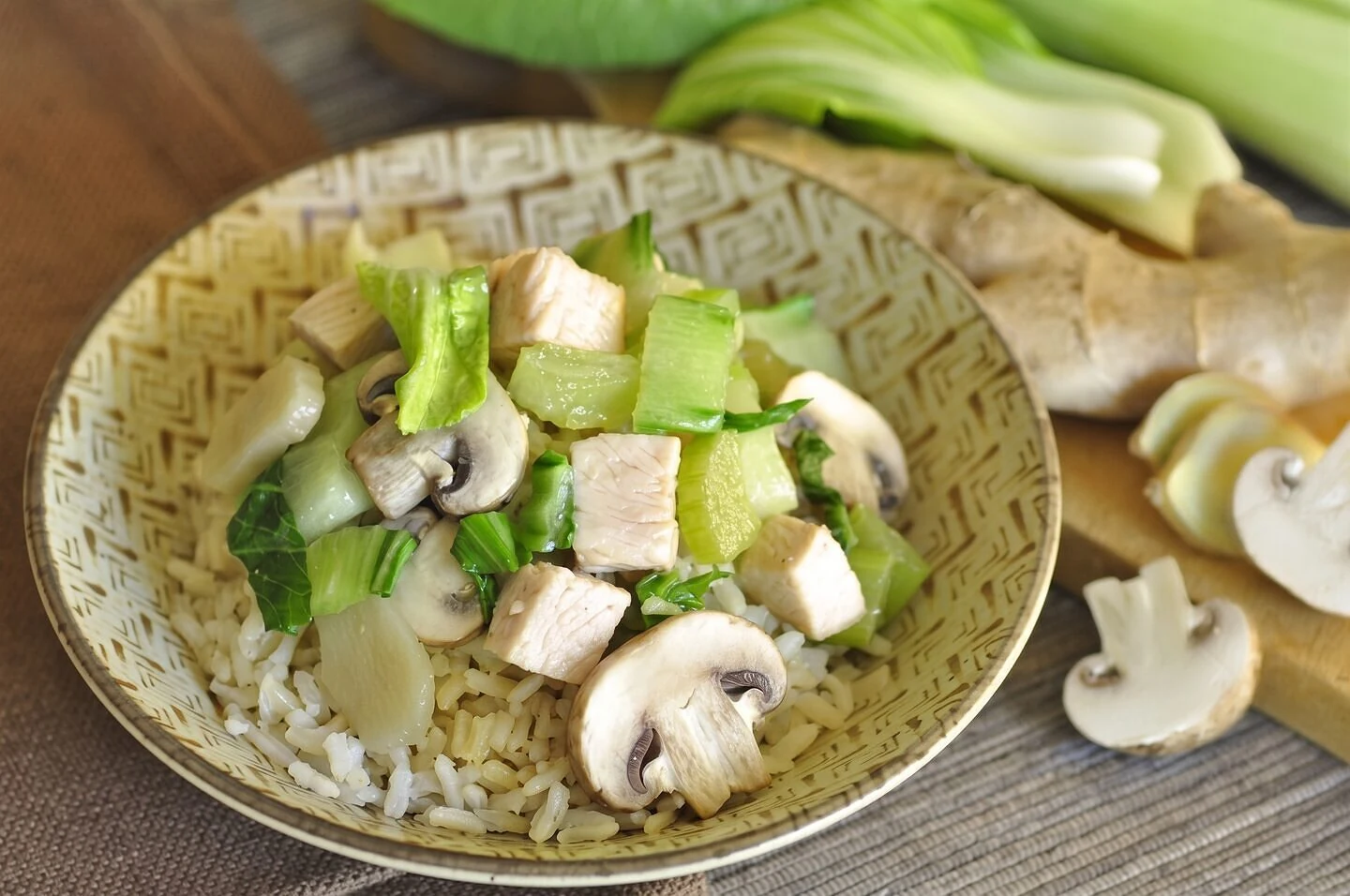
Vegetable and Turkey Stir Fry is a practical, weeknight-friendly answer to the question of what to do with leftover cooked turkey. Rather than a heavy, sauce-laden takeout-style stir fry, this version leans into the clean flavors of ginger, garlic, and a quick high-heat sear. The protein is already cooked, so the entire dish comes together in the time it takes to heat the pan and wilt the vegetables — a genuinely fast dinner that doesn't rely on marinating time or a complicated sauce. It is a home-style American weeknight adaptation of a classic stir-fry technique, built around convenience without sacrificing the essential wok-charred character of the method.
The ingredient list is deliberately short and honest. Cooked turkey provides a lean, substantial protein base that pairs well with the assertive bite of fresh ginger and garlic. The frozen chopped vegetables — typically a mix of broccoli, carrots, green beans, and similar — bring color, texture, and a good amount of dietary fiber to the plate. Because the vegetables are pre-cut and flash-frozen, they hold up well to high heat and need only a few minutes to become tender-crisp. The salt and a small pinch of sugar are all that's needed to season the dish at its base; the optional gravy, made from cornstarch, low-sodium soy sauce, and low-sodium chicken stock, adds a glossy, savory finish without relying on heavy thickeners or excess sodium. For anyone tracking calories, this stir fry is appealing because the portions are built around a measured amount of protein and a generous volume of vegetables, with very little added fat beyond the initial tablespoon of oil. It's a dish that naturally fills a plate without demanding a large calorie budget.
A few practical notes will make this come together smoothly. Because the turkey is already cooked, you are essentially reheating it while the vegetables cook — resist the urge to stir constantly, as letting the ingredients sit briefly in the hot pan helps develop a light sear on the turkey edges. If you are using a mix of dense vegetables like broccoli and carrots, the step that adds a splash of water, covers the pan, and steams for two minutes is worth following; it ensures the vegetables are tender without turning mushy. For the optional gravy, whisk the cornstarch thoroughly into the cold soy sauce and stock before adding it to the hot pan — this prevents lumps. Leftovers keep well in the refrigerator for up to three days and reheat nicely in a skillet over medium heat, making this a strong candidate for batch cooking on a busy weekend.
Ingredients — For 4 servings
- 1 tablespoon vegetable oil (or cooking oil of choice) 14 g
- 2 piece thin slices of ginger root, minced 200 g
- 1 piece garlic clove, peeled and minced 3 g
- 16 ounces cooked turkey, cut into 1/2 inch cubes 454 g
- 2 packages (10 ounces each) frozen vegetables, chopped (or fresh) 600 g
- 1/2 teaspoon salt 3 g
- 1/2 teaspoon sugar 2 g
- 1 water (if needed) 2 g
- 1 Optional Gravy 2 g
- 1 tablespoon cornstarch 8 g
- 2 teaspoons low-sodium soy sauce 11 g
- 1/2 cup low-sodium chicken stock 118 g
Nutrition per serving
408 kcal
| Protein | 39.2 g |
|---|---|
| Carbohydrates | 32.1 g |
| of which sugars | 1.5 g |
| Fat | 13.1 g |
| of which saturates | 3.2 g |
| Fiber | 7.1 g |
| Sodium | 736 mg |
Nutrition computed from USDA FoodData Central per-ingredient data (curated reference table, engine/systems/recipe/data/ingredient_nutrition_db.json). 1 of 12 ingredients use a model-estimated figure pending live FDC verification (flagged in the source table).
Instructions
-
Wash your hands with soap and water before you begin, and rinse any fresh produce you'll be using.
-
Heat oil in a large frying pan on high heat.
-
Add ginger, garlic, turkey, vegetables, and salt.
-
Stir fry about 1 minute to coat with oil.
~1 min -
Adjust heat to prevent scorching.
-
Add sugar.
-
If vegetables are tender, stop cooking at this time.
-
If the vegetables are firm, add 1 to 2 tablespoons of water, cover and cook for 2 minutes or until tender.
~2 min -
Serve at once, or if you wish to add a gravy, mix the gravy ingredients well, pour over vegetables and turkey, cook for 30 seconds.
Track Vegetable and Turkey Stir Fry in Kaloria
No manual logging — point your camera at the plate and Kaloria's AI recognizes the dish and logs it with the nutrition panel above in one tap. Voice logging and a food-savvy AI coach are built in too.
Get Kaloria freeFrequently asked questions
Can I use fresh vegetables instead of frozen?
Yes, but adjust the cooking time. Fresh vegetables release less water than frozen ones, so they may need slightly more oil or a splash of water during cooking. Cut them into uniform, bite-sized pieces and add the denser ones like carrots first, giving them a minute head start before adding quicker-cooking items like bell peppers or snap peas.
What if I don't have low-sodium soy sauce?
You can use regular soy sauce, but reduce the added salt in the dish to compensate. Start with half the salt called for in the recipe, taste after the gravy is added, and add more if needed. The low-sodium version is there to keep the overall salt level in check, so adjust accordingly.
Can I make this ahead of time for meal prep?
Absolutely. Cook the stir fry without the gravy, let it cool completely, and store it in an airtight container in the refrigerator for up to three days. When reheating, use a skillet over medium heat rather than a microwave to better preserve the texture of the vegetables.
Why does the recipe call for adding a little water and covering the pan?
This is a quick steaming step. It helps firm, dense vegetables become tender all the way through without needing extra oil or prolonged frying, which could make them greasy or scorched. The covered pan traps steam, cooking the vegetables evenly while keeping them crisp-tender.
What can I serve with this stir fry?
It pairs well with steamed rice, brown rice, or cauliflower rice for a lower-carb option. For a complete meal, serve it alongside a simple green salad or a bowl of miso soup. The stir fry itself is quite filling due to the protein and fiber, so a modest side portion is usually enough.
Sources
- USDA MyPlate Kitchen — Recipe adapted from USDA MyPlate Kitchen.
- USDA FoodData Central — Nutrition panel computed from USDA FoodData Central per-ingredient data via a curated reference table.