TL;DR
- 464 kcal · 15.4 g protein per serving
- Ready in 30 min · serves 3
- Vegetarian, High fibre
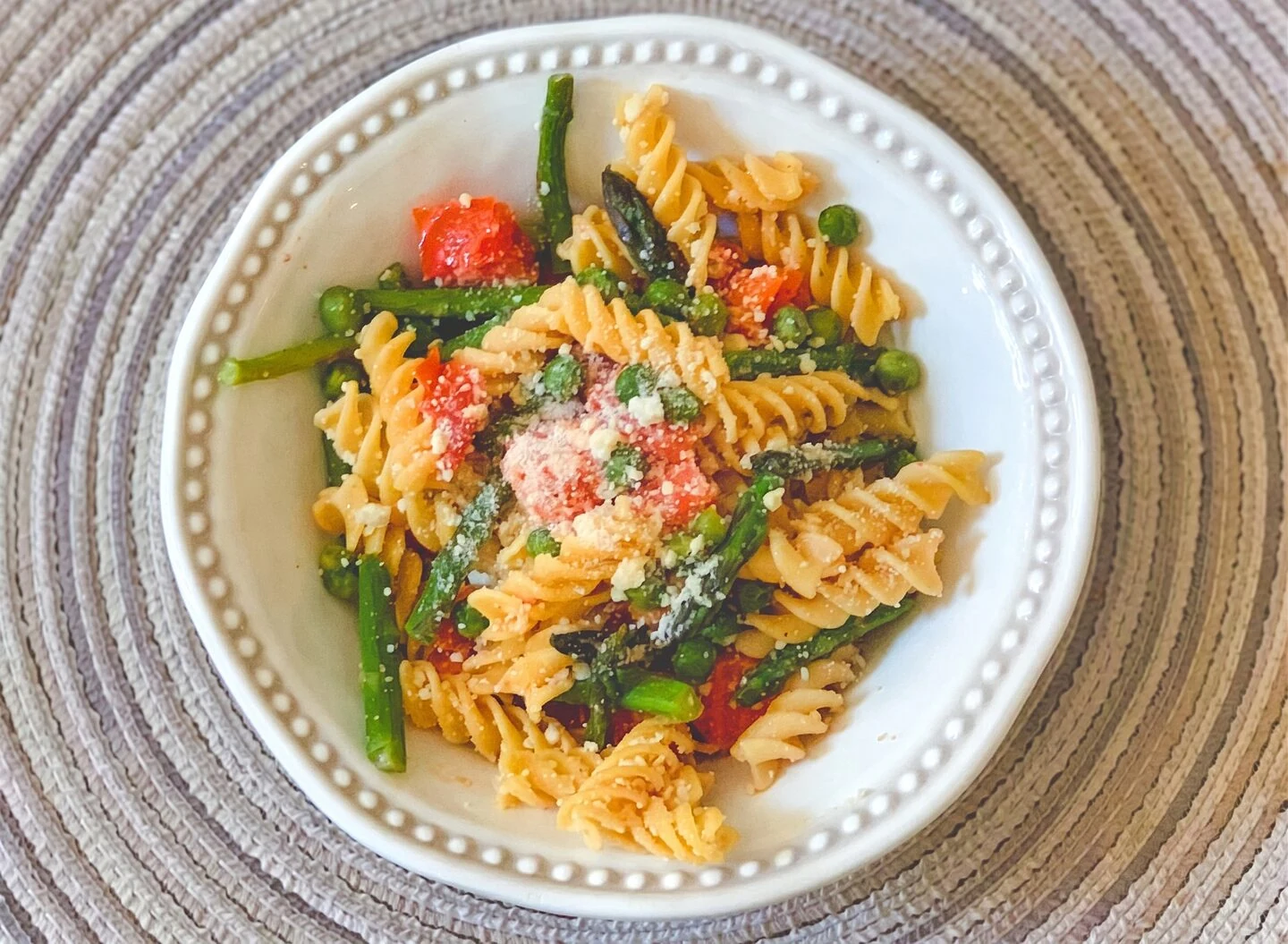
Pasta Primavera is a bright, vegetable-forward dish that lets the produce do the talking. The name, Italian for 'spring pasta,' points to its essence: a bowl of tender noodles tossed with whatever vegetables are at their peak, finished with a whisper of garlic, a touch of black pepper, and a shower of salty Parmesan. While its roots sit comfortably in the American home-kitchen tradition of celebrating seasonal abundance, the dish has become a staple for good reason — it is flexible, quick, and satisfying without relying on heavy sauces or long simmering times.
What makes this particular version so well-suited to a calorie-tracking kitchen is its honest, uncomplicated structure. The backbone is a modest serving of pasta — one cup of dry noodles — which provides a familiar, comforting base without overwhelming the plate. The vegetables, a full two cups of chopped mixed varieties, are the true stars, adding volume, color, and natural fiber that helps the meal feel substantial. The fat comes from measured amounts of vegetable oil and margarine, used to sauté the vegetables and to coat the noodles, respectively. These small, deliberate additions bring richness and help the seasonings cling to every bite, but they are portioned with restraint. The final flourish of three tablespoons of Parmesan adds a salty, savory finish that lets you use less salt overall. The result is a balanced plate where the ratio of produce to pasta leans heavily toward the former — a practical, delicious way to make a familiar dinner feel lighter and more nutrient-dense.
A few practical tips will help this dish shine. First, because the vegetables are cooked directly in the skillet with the oil, resist the urge to overcrowd the pan. Sautéing in a single layer, stirring constantly as the recipe directs, allows the vegetables to soften evenly and develop a light golden edge without steaming into mush. Second, save a small ladleful of the pasta cooking water before draining. If the final toss with noodles, margarine, and seasonings feels a little dry, a splash of that starchy water will loosen the coating and help the Parmesan melt into a silky, clingy finish. Finally, do not skip the two-minute sauté of the tomatoes after the other vegetables are tender — this brief cook warms them through and softens their texture just enough to integrate into the dish without turning into sauce. The recipe is also wonderfully forgiving: any combination of chopped vegetables works, so use what looks best at the market or what is already in your crisper drawer.
Ingredients — For 3 servings
- 1 cup pasta, uncooked 237 g
- 1 tablespoon vegetable oil 14 g
- 2 cups mixed vegetables, chopped 260 g
- 1 cup tomatoes, chopped 154 g
- 1 tablespoon margarine 14 g
- 1/4 teaspoon garlic powder 1 g
- 1/8 teaspoon black pepper 0 g
- 3 tablespoons Parmesan cheese 18 g
Nutrition per serving
464 kcal
| Protein | 15.4 g |
|---|---|
| Carbohydrates | 73.7 g |
| of which sugars | 3.5 g |
| Fat | 11.7 g |
| of which saturates | 2.6 g |
| Fiber | 6.7 g |
| Sodium | 190 mg |
Nutrition computed from USDA FoodData Central per-ingredient data (curated reference table, engine/systems/recipe/data/ingredient_nutrition_db.json).
Instructions
-
Wash your hands with soap and water before you begin, and rinse any fresh produce you'll be using.
-
Cook noodles according to package directions.
-
While noodles are cooking, heat oil in a large skillet over medium heat.
-
Add vegetables and sauté until tender; stir constantly.
-
Add tomato and sauté 2 more minutes.
-
Toss vegetables with noodles and margarine.
-
Add seasonings; sprinkle with Parmesan cheese.
Track Pasta Primavera in Kaloria
No manual logging — point your camera at the plate and Kaloria's AI recognizes the dish and logs it with the nutrition panel above in one tap. Voice logging and a food-savvy AI coach are built in too.
Get Kaloria freeFrequently asked questions
Can I use a different type of pasta?
Absolutely. Any short or long pasta shape will work — penne, fusilli, or spaghetti all hold the vegetables and seasonings well. Keep the dry measurement at one cup to maintain the same portion structure. Whole-wheat or legume-based pasta will change the texture and fiber content slightly, which is fine if you prefer it.
What vegetables work best here?
The recipe calls for two cups of chopped mixed vegetables, so choose ones that cook in a similar time. Broccoli florets, bell peppers, zucchini, snap peas, carrots, and asparagus are all excellent choices. Cut them into bite-sized pieces so they soften evenly in the skillet within a few minutes.
How should I store and reheat leftovers?
Store leftovers in an airtight container in the refrigerator for up to three days. To reheat, add a teaspoon of water or broth per serving and warm gently in a skillet over medium-low heat, stirring occasionally, until heated through. Avoid the microwave if possible, as it can make the pasta rubbery and the vegetables mushy.
Why does the recipe use both oil and margarine?
The oil is for sautéing the vegetables at a higher heat, helping them soften and brown without burning. The margarine is added at the end, off the heat, to coat the noodles and vegetables with a silky richness. Using a small amount of each lets you get the cooking benefit and the finishing flavor without needing a large quantity of either.
Can I make this vegan?
Yes, with one simple swap. Omit the Parmesan cheese or replace it with a vegan grated alternative, and use a plant-based margarine instead of dairy butter if that is what you have on hand. The rest of the ingredients — pasta, oil, vegetables, and seasonings — are already plant-based, so the dish easily becomes fully vegan.
Sources
- USDA MyPlate Kitchen — Recipe adapted from USDA MyPlate Kitchen.
- USDA FoodData Central — Nutrition panel computed from USDA FoodData Central per-ingredient data via a curated reference table.