TL;DR
- 191 kcal · 20.0 g protein per serving
- Ready in 24 min · serves 4
- Vegetarian, Gluten-free, High protein
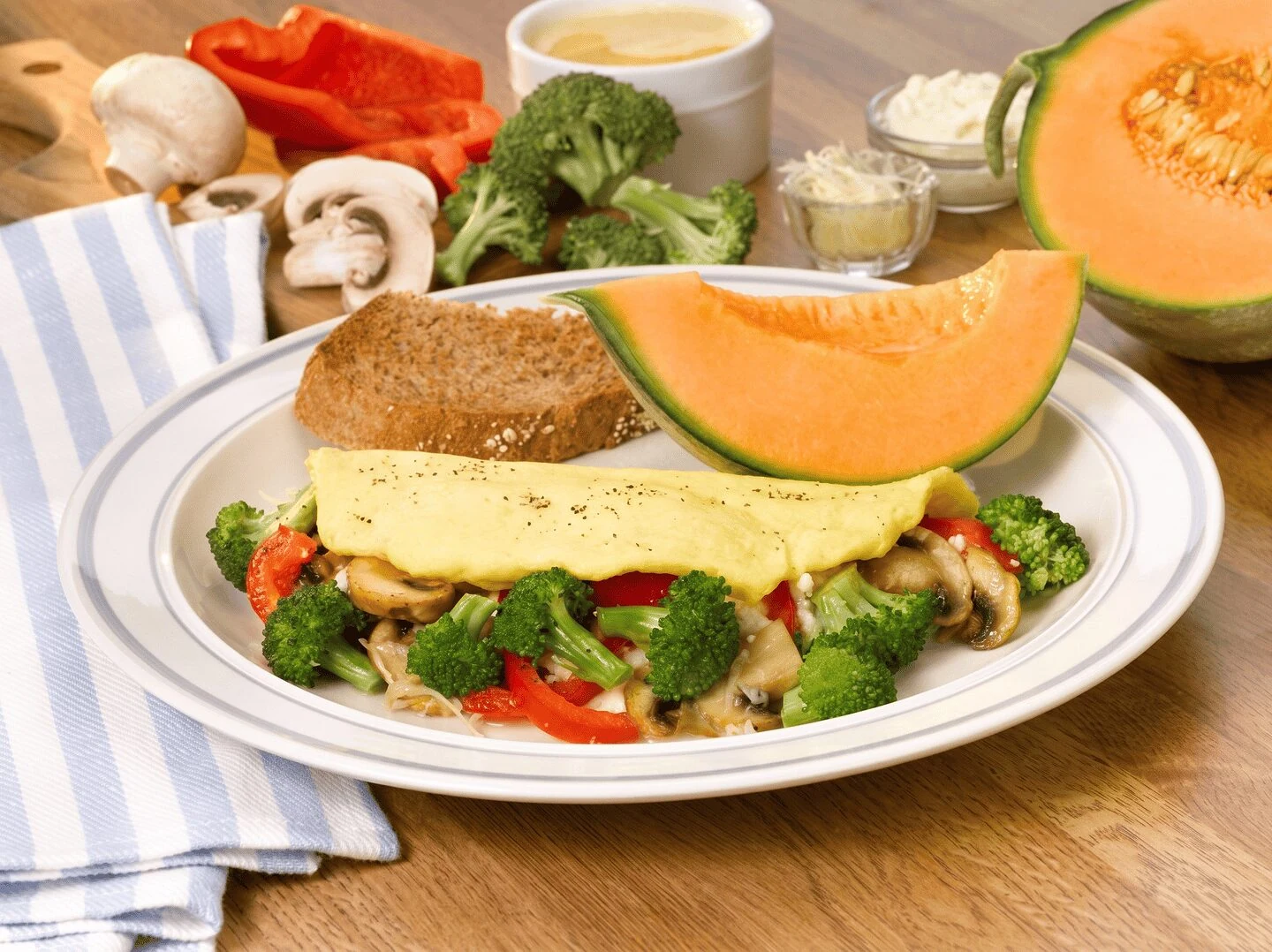
The broccoli omelet is a home-style American classic that turns the familiar folded egg breakfast into a vegetable-forward meal, one that feels both substantial and surprisingly light. Built on a generous base of broccoli florets, sliced red bell pepper, and button mushrooms, this is an omelet that treats vegetables as the main event rather than an afterthought. The filling is quickly sautéed until just tender, preserving its bright color and slight crunch, then folded into a custardy egg base enriched with a splash of milk and a spoonful of ricotta. A dusting of grated Parmesan melts into the surface as the omelet finishes cooking, adding a savory, salty edge that ties the whole thing together.
What makes this particular version stand out for anyone keeping an eye on their meals is the way it balances richness with volume. The eggs are stretched with additional egg whites, which keeps the protein content high while reducing some of the fat and cholesterol you would find in a standard all-yolk omelet. The ricotta adds creaminess and a mild dairy tang without relying on heavy cheese, while the vegetables contribute fiber, water, and a satisfying bulk that helps the omelet feel like a complete plate. Because the recipe is portioned into four individual omelets, it is naturally suited to meal planning: you can cook one for a quick weekday breakfast, or prepare the vegetable filling ahead and assemble fresh omelets throughout the week.
A few practical details make a real difference here. The recipe calls for a 10-inch non-stick skillet, and that size matters—using a smaller pan will make the omelet too thick to fold cleanly, while a larger one will spread the egg too thin and risk tearing. When you add the egg mixture, let it sit undisturbed until the bottom is set and the top just begins to thicken; this is the moment to add the cheese and filling, because folding too early will leave you with scrambled eggs, and waiting too long will make the omelet dry. If you want to get ahead, the sautéed vegetables keep well in the fridge for a few days, and the egg mixture can be whisked and stored overnight in a covered container—just give it a quick stir before cooking. Serve the omelet straight from the pan with a light sprinkle of salt and pepper, and let the vegetables speak for themselves.
Ingredients — For 4 servings
- 3 cups broccoli florets 248 g
- 1 large red bell pepper (cut into strips) 168 g
- 16 piece button mushrooms (sliced) 288 g
- 1 cooking spray 1 g
- 4 piece eggs 200 g
- 8 piece egg whites (from 8 eggs) 264 g
- 1/4 cup milk (fat-free) 61 g
- 1/2 cup ricotta cheese 47 g
- 2 tablespoons grated Parmesan cheese 10 g
- 1/8 teaspoon salt 1 g
- 1/8 teaspoon pepper 0 g
Nutrition per serving
191 kcal
| Protein | 20.0 g |
|---|---|
| Carbohydrates | 11.8 g |
| of which sugars | 5.7 g |
| Fat | 7.9 g |
| of which saturates | 3.1 g |
| Fiber | 3.2 g |
| Sodium | 343 mg |
Nutrition computed from USDA FoodData Central per-ingredient data (curated reference table, engine/systems/recipe/data/ingredient_nutrition_db.json). 2 ingredient(s) could not be matched to the reference table and are excluded from the totals below — see nutrition_matches in the content doc.
Instructions
-
Cut vegetables as directed.
-
Whisk eggs and milk in a medium mixing bowl.
-
Spray 10-inch non-stick skillet with cooking spray; heat.
-
Add broccoli, peppers, and mushrooms; sauté about 3-5 minutes, then remove from pan.
~4 min -
To cook each omelet: Use cooking spray as needed.
-
Add 1/4 of the egg-milk mixture to hot skillet, and let spread to cover bottom of pan.
-
When egg begins to thicken on top, sprinkle with 1/4 of the Parmesan cheese.
-
Dab 1/2 of the omelet with ricotta cheese and spread a portion of the vegetable mixture.
-
Fold the other 1/2 of omelet over the vegetables and let cook about 1 more minute.
-
Slide onto plate.
-
Season lightly with salt and pepper.
-
Repeat steps 1-6 to cook all omelets.
-
Garnish omelets with remaining vegetable sauté mix.
Track Broccoli Omelet in Kaloria
No manual logging — point your camera at the plate and Kaloria's AI recognizes the dish and logs it with the nutrition panel above in one tap. Voice logging and a food-savvy AI coach are built in too.
Get Kaloria freeFrequently asked questions
Can I use a different vegetable combination?
Yes, this recipe is flexible. Swap the broccoli for asparagus or spinach, or use zucchini in place of the mushrooms. Keep the total volume similar so the filling doesn't overpower the eggs, and be sure to sauté firmer vegetables first so everything finishes at the same time.
Why does the recipe call for both whole eggs and egg whites?
The whole eggs provide richness and help the omelet hold together, while the extra whites add protein and volume without much fat. This combination keeps the omelet lighter than a traditional all-yolk version while still giving it a tender, custardy texture.
Can I make the omelets ahead of time and reheat them?
Cooked omelets can be refrigerated in an airtight container for up to two days. Reheat gently in a non-stick skillet over low heat, covered, for a few minutes per side, or use a microwave at 50% power. They are best eaten fresh, but they reheat reasonably well.
What can I substitute for ricotta cheese?
Cottage cheese, blended until smooth, works well and has a similar mild flavor and creamy texture. For a dairy-free option, use a thick plain plant-based yogurt or a soft tofu purée, though the taste and richness will change slightly.
Why do I need to cook each omelet separately?
Cooking them one at a time in a 10-inch pan ensures the egg layer is thin enough to fold without breaking and that the vegetables heat through properly. Trying to cook a larger batch in the same pan would make the omelets too thick and difficult to flip.
Sources
- USDA MyPlate Kitchen — Recipe adapted from USDA MyPlate Kitchen.
- USDA FoodData Central — Nutrition panel computed from USDA FoodData Central per-ingredient data via a curated reference table.